Using Pictures to Tell the Story of the Church
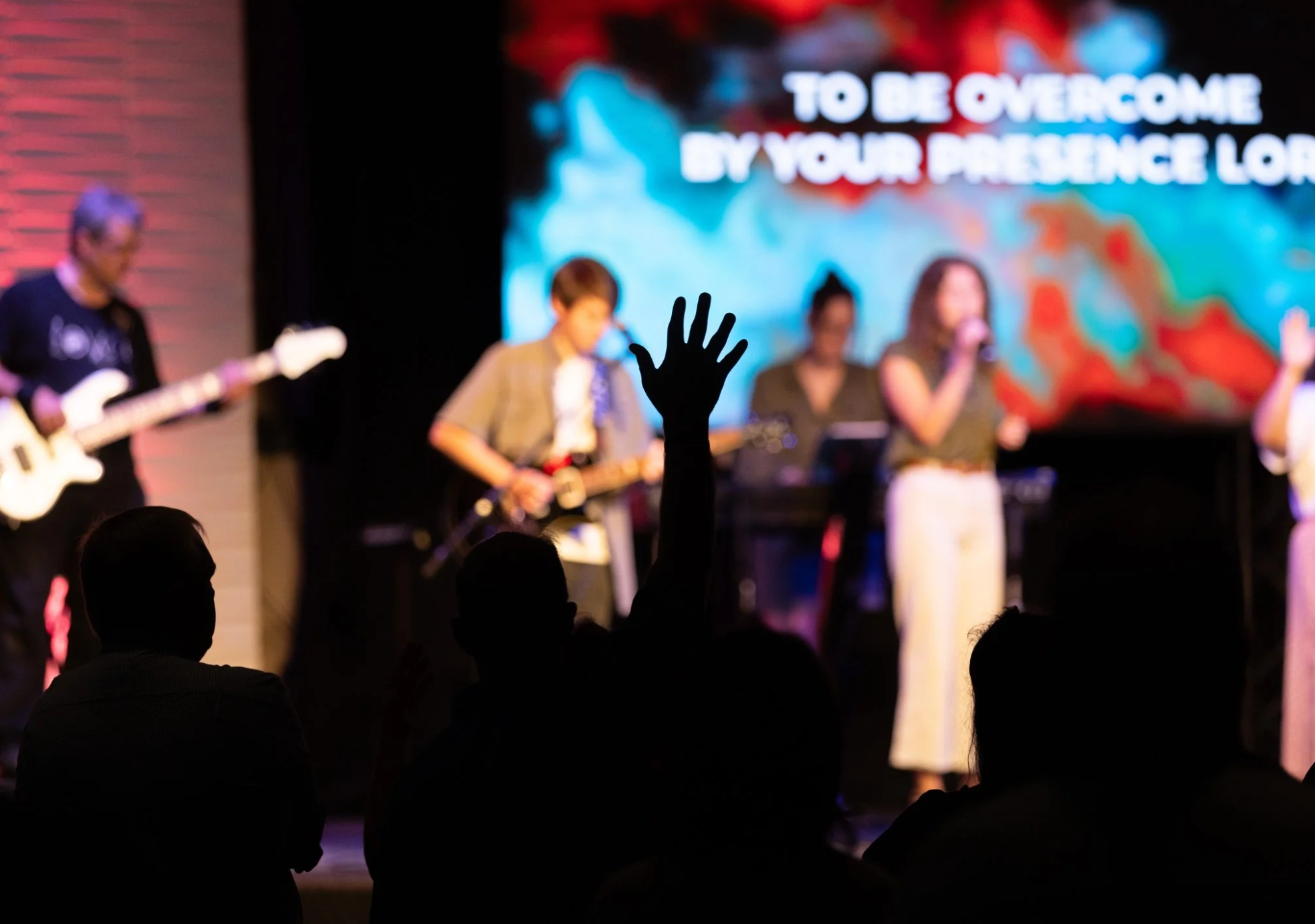
Picture Source: Christ Methodist Church - Memphis, Tn - Website
Photos help people see what life in a church actually looks like. They show worship, service, laughter, prayer, and the everyday moments that make up a church community. When people visit a website or scroll through social media, photos often shape their understanding of a church long before they ever walk through the doors. If you are using stock images, generated graphics, or mass-produced Canva clipart for your website and social media, what kind of story are you actually telling? That is why capturing real, everyday moments from your church matters so much.
The most helpful photos for someone looking for a church are not staged. Overly staged photos can easily come across as fake. It is fine to take a few posed group photos or fun posed shots when needed, but the images that communicate the most are the natural photos: a volunteer serving a meal, kids participating in an activity, youth playing kickball with their pastor, someone praying with another person, or a conversation happening after worship. You are looking for real, candid moments. Moments like these show what life in the church really looks like. These moments help people connect to what is real..
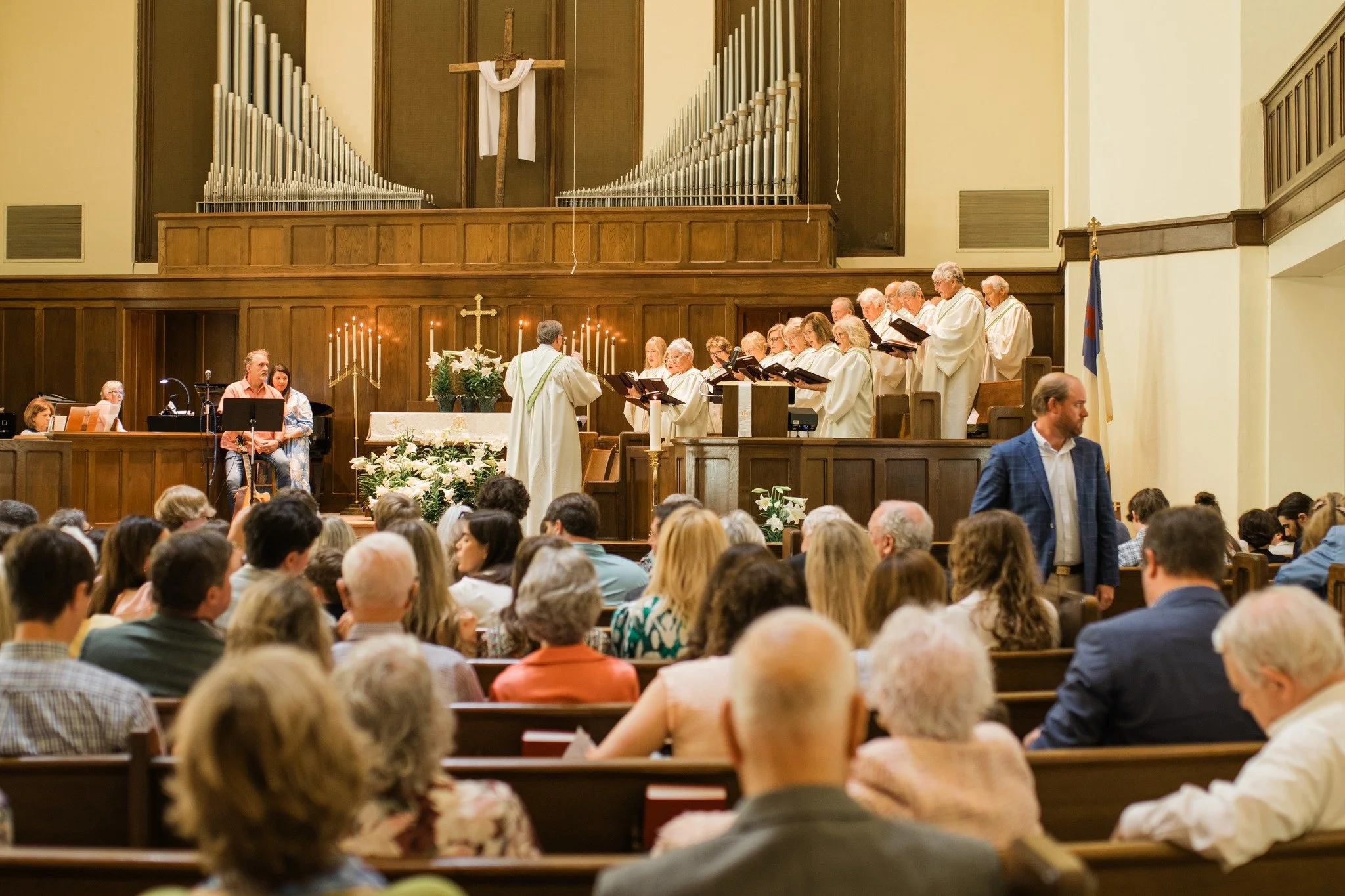
Picture Source: Clarksdale Methodist Church - Facebook
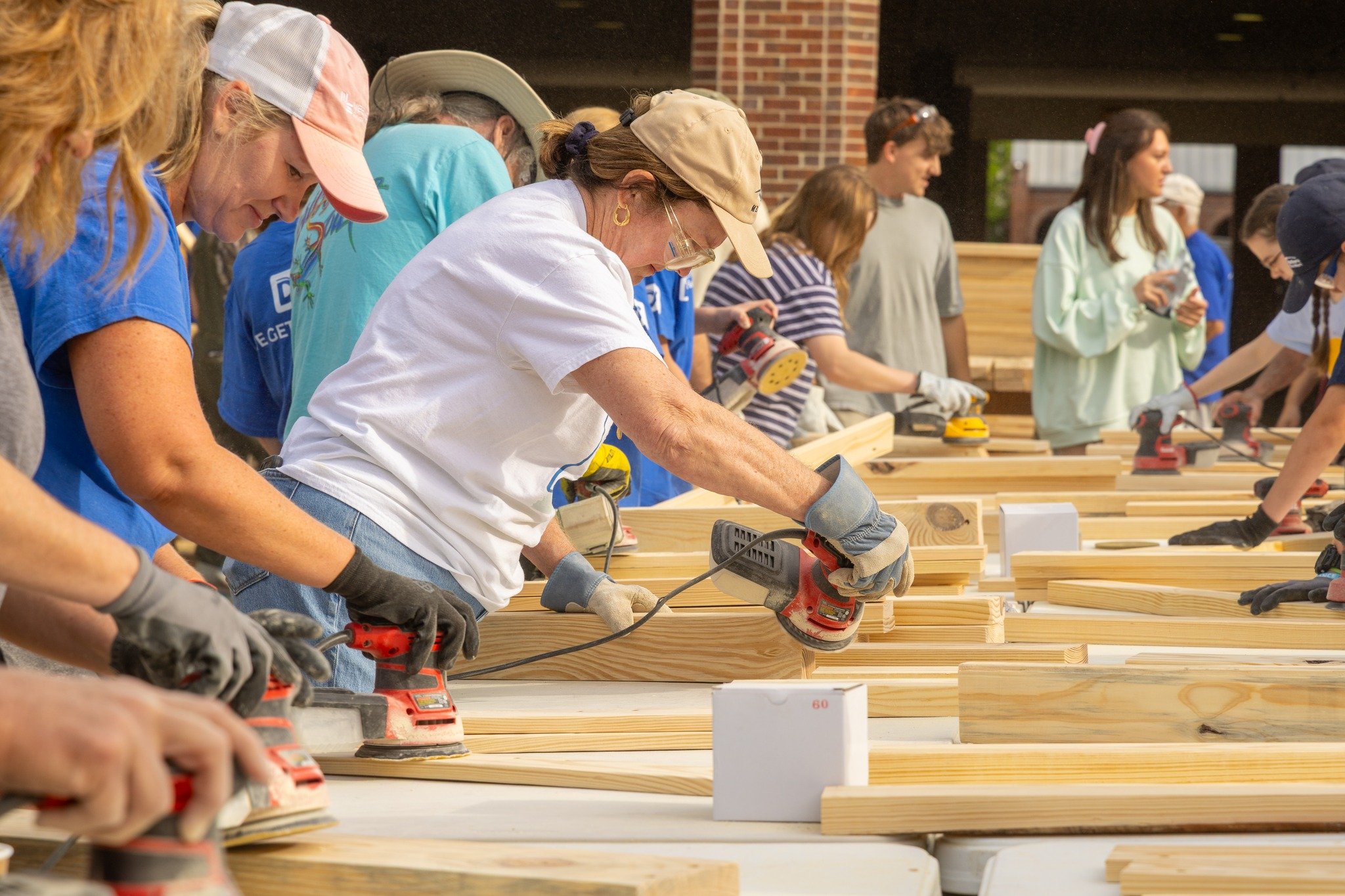
Picture Source: First Methodist Church Columbus, MS - Facebook
It is easy to fall into the habit of trying to get the perfect posed photo for social media. Posed shots may get you likes, but our objective is not to go viral. Our objective is to tell a story. The story of why being a part of the body of Christ matters. The more we share, the more people have an opportunity to see the life of the church. Photos that show real moments help people understand the culture and life of the church. Over time, those images quietly invite others to see themselves as part of that community.
A few simple habits can make a big difference in quality when capturing photos or video.
Pay attention to where the light is coming from. Light matters more than almost anything else. If the sun or a bright light is shining toward the camera, faces will appear dark and the background will be too bright. When possible, stand so the light is behind you and shining on the subject.
Keep the camera settings simple. Use regular Photo mode for pictures and regular Video mode for video. Avoid special modes like Portrait or Cinematic that can create problems later when sharing or editing.
Hold the phone steady. Use two hands and keep your elbows close to your body. If possible, lean against something or rest your arms on a stable surface.
When using zoom on your phone, stick to the built-in zoom options such as 0.5×, 1×, or 2×. Avoid pinching to zoom further, since digital zoom lowers image quality quickly.
Take more photos than you think you need. People blink, move, and shift position constantly. Taking several photos of the same moment increases the chances that one captures it well. You can also take bursts of photos to capture the best action shots.
When recording video, start a second or two early and stop a second or two late. Those extra seconds make editing much easier.
Phones work well for many situations, especially in good lighting. However, using a dedicated camera can make a noticeable difference in low-light environments such as sanctuaries or evening events. Cameras with larger sensors handle darker spaces much better.
In the end, the most important thing to remember is to capture real moments. Photos of people serving, worshiping, learning, and spending time together show the life of the church better than any staged picture ever could.